

垃圾回收重要性以及人们为什么不回收
2022 年 03 月 28 日
Topic:In many countries, there is not enough recycling of waste like paper, bottles and cans. Why is it happening? What can be done?
What Exactly Is Recycling?
Recycling basically involves turning used materials that are labeled as recyclable over to your local waste facility designated in a disposal container as “recyclable” materials to be taken and reused as material for a new purpose. A recyclable product is turned back into a raw form that can be used to create a new and different product. Not only are natural resources limited, but recycling efforts can significantly reduce additional waste that will not only harm the planet today, but future generations as well. The natural resources on our planet earth are limited so we must make the most to conserve, recycle and reuse whenever possible.
Purchase Products Made from Recycled Materials
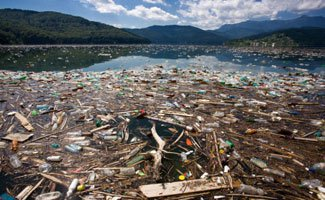
You’re no doubt aware by now why this is so important. However, the effort involves not only recycling existing products, but purchasing products that have already been recycled. Today, thanks to a strong push in the green movement recently, you’ll notice more and more products made from recycled materials. To purchase products made from reused materials, simply look for a recycling symbol and language on the product’s packaging. Every day manufacturers are finding new ways to create items that are recyclable including paper towels, cardboard boxes, plastic containers, crayons, ink cartridges, paint, garden supplies such as hoses, furniture, wallpaper, and even garbage cans. And don’t forget the packaging. It is often too big for the product inside and uses non-recycled materials. This is wasteful and should be minimized as well when making a purchase decision. Voting with your wallet is one of the best ways to make an impact while sending a clear message to the companies that make these products as to your desire for more attention to recycle-friendly products.
Ways to Reduce the Amount of Trash You Create
Another way to help the planet is to simply cut down on the amount of non-recyclable materials you throw out. What’s a good way to do this?
1、One of the most effective ways to help us to bring your own reusable cloth bag to purchase groceries. If you forget, insist on paper, and pack as many goods in one bag as possible, without double bagging.
2、Try to reduce the amount of packaging you purchase by buying products in bulk.
3、Have any paper statements that are normally mailed to you – such as bills, financial statements, newsletters, etc. – e-mailed to you instead.
4、Buy products that are packaged in cardboard or paper board instead of Styrofoam.
5、Try to avoid disposable items such as paper plates, cups, and utensils.
6、When wrapping presents, opt for reusable gift bags instead of wrapping paper – or maybe even reuse wrapping paper.
Composting is another way to reduce trash
Composting is the simple step of setting aside your fruit peals and pits along with other food waste that does not contain oils or meat and then putting it into a compost pile. This will not only create a much cleaner smelling kitchen but also produce great nutrients for your garden. More details on how to compost are available here.
Most Waste Can Be Minimized
Every day we use a variety of products in our households and work places to fulfill our basic needs. Most of these products and their packaging are wasted and dumped in bins, which end up in land fill sites. We ignore the fact that a major portion of our waste can be recycled or reused. It would also be very responsible of us, if we could reduce the consumption of products to the maximum extent possible. So, the three R’s of sustainability are Reduce, Reuse and Recycle.
The Three R’s of Sustainability – Reduce, Reuse, & Recycle
Recycling things involves using a product, in part or as a whole, in the production of similar or same products again. In regular production, the use of raw materials is sourced directly from natural resources. For example, fresh pulp for which trees have to be cut down is used to create first generation paper. Recycled paper can very well be used in producing new paper without vastly compromising the quality of the final product.
The same applies to most products like metal, glass and plastics. The energy saved due to use of recycled materials also adds up to overall savings. Therefore, it is only a matter of choice and attitude towards protecting and enriching the environment we live in. We have to consider the fact that demand drives the supply and controlling demand can lead to reduced exploitation of natural resources.
2. 为什么人们不愿意回收垃圾
A lot of people just don’t recycle. While there may be a temptation to imagine them as conspiring Earth Haters who take orders directly from Skeletor, they are usually normal people who try to contribute positively to society in other ways.
They are members of our family, our neighbors and our friends. So what makes them choose to bypass the blue bin?
We investigated five individuals who do not regularly recycle. A better understanding of their “why” can help proponents of recycling better understand the “how” of what can be done to increase participation.
The twenty-something bachelor
Meet Matt, a recent business college graduate living in Utah. While adapting to his new job, Matt is also preparing to invest in his first home, not to mention finding a nice young lady with whom he can settle down. He gives five reasons for not recycling.
“My No. 1 reason is convenience – or should I say, inconvenience,” he says. “We don’t have a recycling program where I live. You have to collect all of your items and then drive them to the middle of nowhere to drop them off. It takes too much extra effort.”
Storage is another barrier, especially for those living in multi-family housing, according to Matt. “Where am I going to put all of that stuff? I don’t have a lot of extra space, and I don’t really want my garbage lying around my house while it builds up.”
Although convenience and storage are the main reasons Matt does not recycle, there are other factors, including confusing programs.
During college, Matt lived in an apartment complex with a dumpster for recyclables in the parking lot. Even though it made recycling more convenient, he didn’t use it because he didn’t know the “rules.”
“You can’t mix this plastic with that one. Cardboard is OK, but not that pizza box, even though it’s cardboard. Recyclers have their own language. It’s like a foreign country, and I don’t want to be a tourist there,” he says.
Matt also doesn’t like the philosophy of city-funded programs. “I’m sure that they pay for themselves to some degree, but I am annoyed that my tax dollars go to recycling programs,” he says. “If people are into recycling, they should do it on their own. It’s not government’s place to decide which causes I support.”
Matt’s final reason is an interesting insight for those trying to motivate their friends to get involved. The superior attitude of many pro-recyclers is an enormous turnoff.
“I wish they would just get off their high green horses,” he says. “Stop being snotty about it. Get your nose out of the air. Stop acting like you’re better than me because you recycle. It makes me want to throw something in the trash just to spite you.”
The thirty-something family guy
Darren is a family guy working for a nonprofit organization in Washington, DC. While his wife is more apt to recycle, Darren has a hard time making economic sense of it.
“I’m very skeptical of environmental claims because they are rarely economic,” he says.
Economically speaking, some recycling isn’t cost effective, he argues, citing plastic as an example of a controversial material while others are agreed to be cost-effective, such as aluminum cans.
“What I wish everyone would learn in Economics 101 is that there are trade-offs in life. There are both benefits and downsides to recycling,” Darren explains. “Individually, time is the most precious resource we use when we recycle. You could have done something else with that time used to recycle, and you can never get back spent time. On the city level, it’s time, effort and money. It is a question of whether recycling is the best use of that money, or if it would be better spent on education or health care. There are always trade-offs.”
But people differ in what they consider to be the best trade-off. “I think a lot of people recycle because it makes them feel good, and that’s fine. For me personally, I get no benefit from recycling, so I don’t’ do it,” he says.
Darren also says people don’t think about what resources will have to be used to recycle their product. He uses the examples of diapers. While many people are critical of plastic diapers, cleaning cloth diapers use water and energy, as well as requiring the use of chemicals that could eventually get back into the water supply.
“These are strong detergents, but you want a very clean diaper on your baby. What is the environmental thing to do?” he asks.